Most car noises point to a short list of causes. Squealing when braking usually means worn pads; squealing from the engine usually means a slipping belt. Grinding when braking means metal on metal. Clunks over bumps point to suspension parts. A hum that rises with speed is often a wheel bearing or tires. Knocking from the engine and grinding brakes are the ones to treat as urgent.
Quick reference
| Noise | When | Likely cause | Urgency |
|---|---|---|---|
| High squeal | Braking | Pad wear indicators | Book soon |
| Grinding | Braking | Pads worn to metal | Urgent |
| Squeal or chirp | Engine running, cold starts, AC on | Serpentine belt or tensioner | Book soon |
| Hum or growl | Rises with speed, changes in turns | Wheel bearing | Book soon |
| Clunk | Over bumps | Sway bar links, struts, mounts, ball joints | Book soon |
| Clicking | Sharp turns | CV joint | Book soon |
| Rapid clicking | Trying to start | Weak battery | See below |
| Hissing | Under the hood | Vacuum or coolant leak | Check soon |
| Knocking or pinging | Engine under load | Low oil, wrong fuel, internal wear | Urgent |
| Whine | Rises with engine speed | Alternator, power steering pump, low fluid | Check soon |
Brake noises
A thin, high-pitched squeal when you brake is often the built-in wear indicator telling you pads are nearly done. Grinding means the pads are gone and you're damaging the rotors. That makes the repair more expensive every mile. See mobile brake repair.
Engine bay squeals and chirps
A squeal on cold mornings, when the AC switches on or when you turn the wheel hard usually means the serpentine belt is slipping.
Hums and growls
A hum that gets louder with speed and changes when you swerve is a classic wheel bearing symptom. Uneven tire wear can sound similar.
Clunks and rattles
Clunking over bumps often comes from worn sway bar links, strut mounts, ball joints or bushings. Bounciness with the clunk points toward worn shocks and struts.
Clicks
Clicking in tight turns is often a worn CV joint. Rapid clicking when you try to start points to the battery. See car clicks but won't start.
Knocking: stop and check
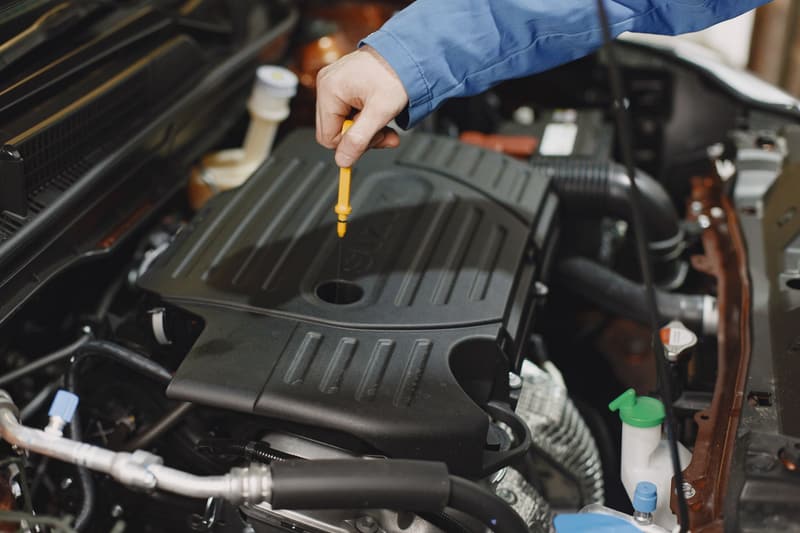
A deep knock from the engine can mean low oil or internal damage. Check the oil level when it's safe. If it's low or the oil light is on, don't drive. Our dashboard warning lights guide explains the oil light.
How to describe a noise to a mechanic
- When does it happen: braking, turning, accelerating, idling, cold or warm?
- Where does it seem to come from: front, back, left, right, under the hood?
- Does it change with speed or engine RPM?
- Record a video with sound. It helps a lot.
Frequently asked questions
Can a mobile mechanic diagnose a noise?
Yes. A test drive and inspection usually pins it down, often with a stethoscope or a lift-free inspection.
Is it safe to drive with a squeaky car?
Many squeaks aren't urgent, but grinding brakes, knocking engines and loud clunks should be checked right away.
Get the noise checked
Find a mobile mechanic who covers your area on the locations page.
List your business for free
Create a verified listing on Mobile Mechanic Near Me and give the customers in your area one more place to find your business name, address, phone and website.