OBD-II codes are five-character codes your car stores when the check engine light comes on. The letter shows the system (P = powertrain), and the numbers point to the specific fault. A code narrows the search but rarely names the exact failed part. Here are the codes drivers see most often, what they mean and how urgent they are.
How to read a code
- First letter: P (powertrain: engine and transmission), B (body), C (chassis), U (network)
- First digit: 0 = generic code (same meaning on all makes), 1 = manufacturer-specific
- Last digits: the specific fault
For what the light itself means, start with check engine light on? what it means.
The common codes
P0300 – P0306: Misfire
P0300 is a random or multiple-cylinder misfire; P0301 to P0306 name the cylinder (P0302 = cylinder 2). Common causes: worn spark plugs, failed ignition coil, vacuum leak, fuel injector problem, low compression. Urgency: high if the check engine light is flashing. Misfires can damage the catalytic converter. See spark plugs and tune-ups.
P0420 / P0430: Catalyst efficiency below threshold
The downstream oxygen sensor sees the catalytic converter isn't cleaning the exhaust as well as it should (bank 1 / bank 2). Common causes: aging converter, faulty oxygen sensor, exhaust leak, an engine misfire that damaged the converter. Urgency: moderate. It may fail emissions inspection.
P0171 / P0174: System too lean
The engine is getting too much air or too little fuel (bank 1 / bank 2). Common causes: vacuum leak, dirty mass airflow sensor, weak fuel pump, clogged fuel filter. Urgency: moderate. A weak pump can strand you; see bad fuel pump symptoms.
P0442 / P0455 / P0456: EVAP leak
A leak in the system that traps fuel vapors (small, large, very small). Common causes: loose or damaged gas cap, cracked EVAP hose, faulty purge or vent valve. Urgency: low, but it can fail an emissions test.
P0128: Coolant below thermostat regulating temperature
The engine is taking too long to warm up. Common cause: thermostat stuck open. Urgency: low to moderate. Poor heat in winter and worse fuel economy.
P0101: Mass airflow sensor range/performance
Common causes: dirty MAF sensor, air leak after the sensor, clogged air filter. Urgency: moderate.
P0401: EGR flow insufficient
Common causes: carbon-clogged EGR valve or passages. Urgency: moderate.
P0507: Idle speed higher than expected
Common causes: vacuum leak, dirty throttle body. Urgency: low.
P0700: Transmission control system fault
A flag that the transmission computer stored its own code. Urgency: get the transmission codes read soon.
Diesel owners
Diesels have their own common codes around the DPF, DEF and EGR systems. See DPF and DEF problems.
Why a code isn't a diagnosis
The same code can have several causes. Replacing the part named in a search result often wastes money. A mechanic checks live data, tests the parts and fixes the cause.
Frequently asked questions
Can I clear a code myself?
Yes, with a scan tool, but it returns if the fault is still there, and it resets emissions readiness monitors.
Are cheap code readers worth it?
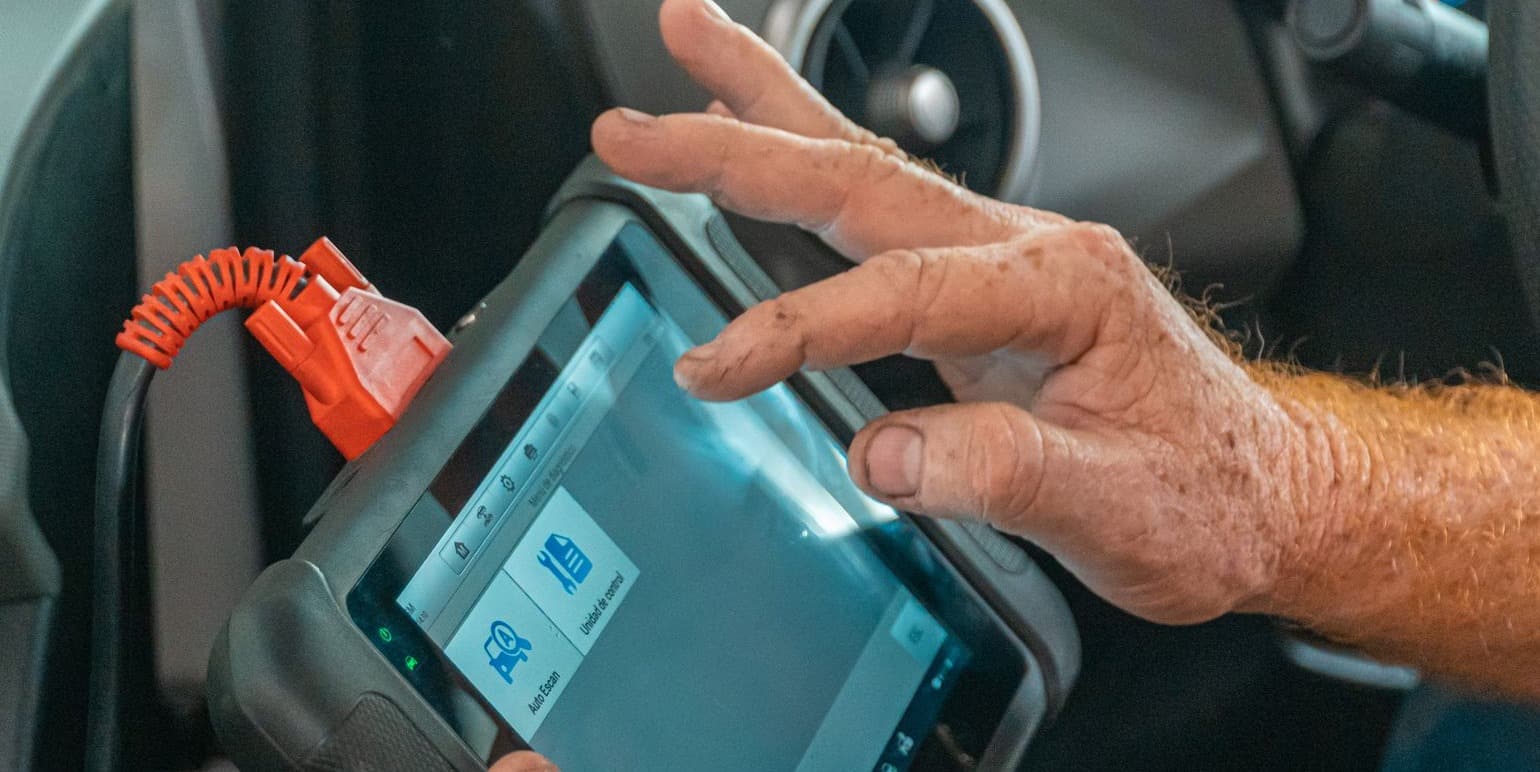
For curiosity, yes. They read codes; professional tools also show live data and run tests.
Does a code mean an expensive repair?
Not always. Some of the most common codes come from a gas cap or a cracked hose.
Get your codes diagnosed
A mobile mechanic can scan and test where the car is parked. Find one on the locations page, or ask a local pro what your code might mean.
List your business for free
Create a verified listing on Mobile Mechanic Near Me and give the customers in your area one more place to find your business name, address, phone and website.