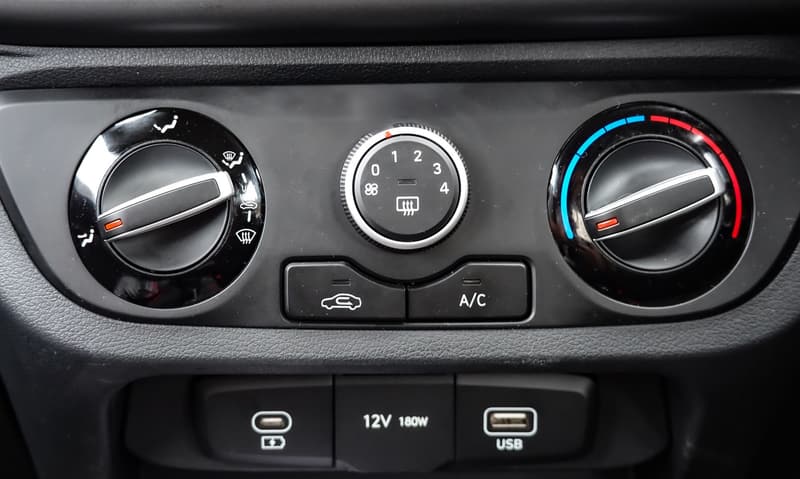
If your car is overheating, turn off the AC, turn the heater on full hot with the fan high (it pulls heat out of the engine), and pull over safely as soon as you can. Shut the engine off and let it cool. Never open the radiator cap on a hot engine: the coolant is under pressure and can cause serious burns. The most common causes are low coolant from a leak, a stuck thermostat, a failing water pump, a radiator fan that isn't running, or a clogged radiator.
What to do the moment the gauge climbs
AC off, heat on full.
It feels wrong, but it helps.
Pull over safely
and turn the engine off.
Wait at least 30 minutes
before touching anything under the hood.
Check the coolant overflow tank
once it's cool. Low? There's likely a leak.
Don't keep driving
with the gauge in the red. Running an engine hot can warp the cylinder head and blow the head gasket, turning a small repair into a huge one.
Breaking down on a busy road? Follow our step-by-step breakdown guide first.
The 8 most common causes
1. Low coolant from a leak
Look for puddles (green, orange or pink, with a sweet smell), wet hoses or crusty residue around the radiator.
2. Thermostat stuck closed
The thermostat should open to let coolant flow to the radiator. Stuck closed, the engine overheats quickly.
3. Failing water pump
The pump circulates coolant. A leak from the pump's weep hole, a whine, or wobble in the pulley are signs.
4. Radiator fan not working
Overheating mostly in traffic or at idle, but fine on the highway? The fan, its relay or its sensor is a top suspect.
5. Clogged or damaged radiator
Internal buildup or debris blocking the fins cuts cooling.
6. Burst or collapsed hose
A split hose dumps coolant fast and often sprays steam.
7. Broken serpentine belt
On many engines the belt drives the water pump. A snapped belt means no circulation. See serpentine belt squeal.
8. Head gasket problems
White exhaust smoke with a sweet smell, coolant loss with no visible leak, or bubbles in the coolant tank can point here. This needs a proper test.
How a mobile mechanic diagnoses overheating
- Pressure-tests the cooling system to find leaks
- Checks thermostat operation and fan function
- Inspects the water pump, hoses and belt
- Scans for codes and reads live coolant temperature
- Tests for combustion gases in the coolant if a head gasket is suspected
Many cooling repairs (hoses, thermostats, radiators, fans and water pumps on many vehicles) can be done on site.
Hot weather and overheating
Summer heat, towing and stop-and-go traffic push marginal cooling systems over the edge. See hot weather car problems, and know your dashboard warning lights.
Frequently asked questions
Can I add water instead of coolant?
In an emergency, water can get you to safety once the engine is cool. Have the system properly filled with the right coolant soon after.
Why is my car overheating but the coolant is full?
A stuck thermostat, a failed fan, a weak water pump or a clogged radiator can all do it.
How far can I drive an overheating car?
Ideally, not at all. Every minute in the red risks major engine damage.
Get it checked where it's parked
Find a mobile mechanic near you on the locations page.
List your business for free
Create a verified listing on Mobile Mechanic Near Me and give the customers in your area one more place to find your business name, address, phone and website.